
Ultimate Guide to Closing Entries in Accounting with 3+ Examples

Stockholders’ equity accounts will also maintain their balances. In summary, the accountant resets the temporary accounts to zero by transferring the balances to permanent accounts. Post-closing procedures are essential steps in the accounting cycle that follow the closing of the books at the fiscal year-end.
Step 3: How to Close a Year in QuickBooks
You will notice that we do not cover step 10, reversing entries. This is an optional step in the accounting cycle that you will learn about in future courses. Steps 1 through 4 were covered in Analyzing and Recording Transactions and Steps 5 through 7 were covered in The Adjustment Process. Leveraging technology and accounting software can greatly enhance the efficiency of year-end closing. Modern accounting tools offer features such as automated reconciliations, real-time data processing, and comprehensive reporting capabilities. Utilizing these tools can save time, reduce errors, and provide valuable insights into the organization’s financial health.
Balance Sheet
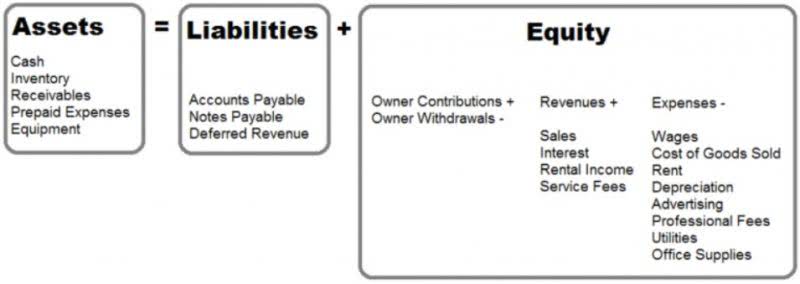
Absolutely, sophisticated accounting software can significantly simplify the process of making closing entries. Programs like QuickBooks and Xero automate the steps, ensuring accuracy and consistency, which saves time and reduces human error. They’re designed to make the closing process more reliable and efficient. Now, consider the advantages – software like this can take a load of data, apply predefined rules, and generate closing entries without breaking a sweat.
Step 4: Close Dividends to Retained Earnings
Net income is the portion of gross income that’s left over after all Bakery Accounting expenses have been met. The term “net” relates to what’s left of a balance after deductions have been made from it. Retained earnings are defined as a portion of a business’s profits that isn’t paid out to shareholders but is rather reserved to meet ongoing expenses of operation.
- This ensures that the company’s financial performance is accurately reflected in the financial statements.
- In a journal entry, every debit entry must have a credit entry and the debits must always equal the credits.
- This involves comparing the company’s internal records with external statements, such as bank statements, to ensure that they match.
- It’s a classic example of accounting symmetry, tying the ebbs and flows of your financial activities directly to your business’ worth.
- Notice the balance in Income Summary matches the net income calculated on the Income Statement.
- Therefore, the beginning balance of these accounts can be taken from the previous period closing account balances.
- If you follow best practices, and put a closing date password in place, no changes can be made without that password.
Accounting made for beginners
Having a zero balance in theseaccounts is important so a company can compare performance acrossperiods, particularly with income. Lastly, prepare a post-closing trial balance to verify that the balances of the permanent accounts are correct and that the temporary accounts have been reset to zero. Your books should now be ready for the next accounting cycle. They are vital to report revenue and expenses in the correct period. They also help figure out a company’s net income or loss, affecting retained earnings and equity.

- It isimportant to understand retained earnings is not closed out, it is only updated.
- If you put the revenues and expenses directly into retained earnings, you will not see that check figure.
- When you use up an asset, we record the amount as an expense.
- We could do this, but by having the Income Summary account, you get a balance for net income a second time.
- Remember that all revenue, sales, income, and gain accounts are closed in this entry.
For each account, you’ll need to specify whether it will be closed or carried over to the next year. To close an account, select “Close” from the “Year-End Closing” dropdown menu. Make sure that these transactions are properly accounted for and adjust them as necessary.
Closing Entry: What It Is and How to Record One

They provide auditors and stakeholders with a clear trail of the company’s financial activities and confirm that you’re playing by the rules, from the IRS to the SEC and the GAAP standards. Only incomestatement accounts help us summarize income, so only incomestatement accounts should go into income summary. Closing the books not only helps to ensure the accuracy and completeness of the financial statements but also provides closing entries a clean set of books for the next accounting period.
Stay up to date on the latest accounting tips and training
- After the financial statements are finalized and you are 100 percent sure that all the adjustments are posted and everything is in balance, you create and post the closing entries.
- This time period, called the accounting period, usually reflects one fiscal year.
- This updates retained earnings to show the company’s total profits or losses, ending the financial statements construction process.
- Check out this articletalking about the seminars on the accounting cycle and thispublic pre-closing trial balance presented by the PhilippinesDepartment of Health.
- The trial balance above only has one revenue account, Landscaping Revenue.
- Discover effective strategies for maximizing efficiency through automated data extraction.
- Not to mention, manual entries are time-consuming, and when you’re working with dozens or hundreds of accounts, it’s a recipe for inefficiency.
Accounts are considered “temporary” when they only accumulate transactions over one single accounting period. Temporary accounts are closed or zero-ed out so that their balances don’t get mixed up with those of the next year. Once you’ve completed these four steps, all temporary accounts will be reset to zero, leaving you with clean books for the next accounting cycle. This is done because temporary accounts only reflect the activity for one period. Once that period ends, these accounts need to be reset to zero so they can start fresh in the next cycle.

General Ledger
By following these payroll best practices and leveraging tools like Xenett, you can take the stress out of closing entries and ensure your financials are spot-on every time. Before diving into the closing entries, double-check that all transactions are posted. This proactive approach ensures that your income, expenses, and other financials are in sync when you’re ready to close.
Double Entry Bookkeeping
To do this, go to the “File” menu and select “Utilities.” Then, select “Verify Data.” QuickBooks will perform a check to make sure that your data is correct and that all of your accounts are balanced. In this article, we’ll walk you through the steps for how to close books in QuickBooks Desktop. Rather than use the main equity account, we use an account specifically for tracking withdrawals by the owner. For this business, the account we use is called Joe Smith, Drawing. You may also see the account called Owner Name, Withdrawals or Owner Name, Dividends. When you use up an asset, we record the amount as an expense.
Leave a Reply